Reserve
your unit
today!
your unit
today!
 wonderproperties3@gmail.com
Wonder Properties © All rights reserved
Privacy PolicyPowered bykarimcgvisuals
wonderproperties3@gmail.comWonder Properties © All rights reserved
Privacy PolicyPowered bykarimcgvisuals
Blog | March 7, 2026
For anyone looking to build, buy or invest in property the rainy seasons may just be the best time to house hunt. The weather does not lie nor will the state of the property.
Long and Seasonal rains are an essential part of the climate in Kenya especially replenishing water sources. Long rains typically run from March to May, while the short rains are typically experienced from October to December. However, while rains are beneficial for many sectors, they can present significant challenges for the housing and real estate industry. From construction delays to property damage and investment risks, heavy rainfall can influence both homeowners and investors in several ways.
For anyone looking to build, buy or invest in property the rainy seasons may just be the best time to house hunt. The weather does not lie nor will the state of the property. To asses the suitability of your ownership for a property, assess the following;
One of the most common ways rains affect housing is through structural damage. Prolonged rainfall can expose weaknesses in buildings, particularly in homes that were constructed without proper waterproofing or drainage planning.
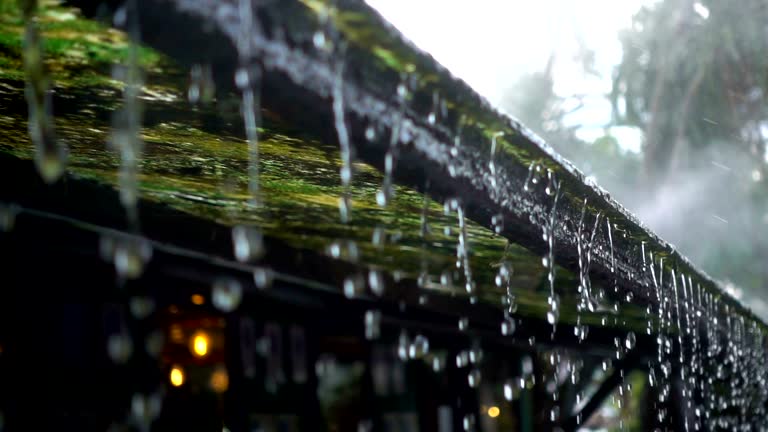
Roofs are often the first part of a house to show problems during the rainy season. Poor roofing systems can lead to leakages that damage ceilings, walls, and interior finishes. Over time, water infiltration can weaken structural components and create costly repair needs.
Dampness is another issue that affects many homes during heavy rains. When water seeps through walls or floors, it can cause paint to peel, mold to grow, and unpleasant odors to develop. Besides affecting the aesthetics of a home, dampness can also pose health risks to occupants.
For developers and homeowners, investing in quality construction materials and proper waterproofing solutions is essential to prevent these problems.
Flooding is the most visible impacts of heavy rainfall on housing. In some urban areas, inadequate drainage systems can cause water to accumulate quickly during affecting both homes and surrounding infrastructure.
Low-lying neighborhoods are particularly vulnerable to flooding. When properties are built in areas with poor drainage planning, residents may experience repeated water damage to foundations, floors, and outdoor spaces.
Flooding not only damages homes but can also reduce property value in affected areas. Buyers and tenants are increasingly cautious about purchasing or renting homes in locations known for frequent flooding.
As a result, developers today are placing greater emphasis on drainage systems, proper site grading, and infrastructure planning to ensure properties remain resilient during heavy rains.
For developers and construction companies, rainy seasons can significantly slow down building projects. Activities such as excavation, foundation work, and concrete pouring become more difficult when the ground is saturated.
Wet conditions can also damage construction materials like cement and wood if they are not properly stored. In some cases, contractors may need to pause construction work altogether to avoid compromising the quality of the structure.
These delays can affect project timelines, increase costs, and postpone property handovers to buyers. As a result, developers often plan construction schedules carefully to account for rainy seasons.
Heavy rains also lead to higher maintenance requirements for homeowners. Properties must be regularly inspected to ensure that roofs, gutters, drainage systems, and walls remain in good condition.
Blocked gutters, for example, can cause rainwater to overflow and seep into walls. Poor drainage around the home may also lead to water pooling near the foundation, increasing the risk of structural damage over time.
Routine maintenance such as cleaning gutters, sealing cracks, and ensuring proper water flow around the property can help homeowners protect their investment during rainy periods.
For property investors, rainfall patterns are becoming an important factor when evaluating real estate opportunities. Modern buyers are increasingly interested in properties located in well-planned neighborhoods with reliable drainage systems and strong infrastructure.
Areas that are elevated or designed with proper stormwater management tend to be more attractive to investors and homeowners alike. These locations provide greater assurance that properties will remain safe and functional even during heavy rainfall.
Investors who carefully assess environmental factors such as drainage, soil type, and terrain are better positioned to make sustainable and profitable real estate decisions.
As urban development continues to grow across Nairobi and other major towns, the importance of resilient housing design is becoming increasingly clear. Developers are now adopting improved construction techniques, better drainage planning, and higher-quality materials to ensure homes can withstand changing weather conditions.
Rain may be unavoidable, but its impact on housing can be minimized through thoughtful planning, quality construction, and regular maintenance.
Conclusion
For homebuyers and investors, understanding how seasonal rains affect housing is a valuable step toward choosing properties that offer long-term durability, comfort, and value. In an evolving real estate market, resilience is quickly becoming one of the most important qualities a property can offer.